Geneva
Geneva is along Lake Geneva (or locally, Lac Léman) and easy to access from abroad. However, if you are visiting Switzerland along other European countries, don’t forget that they don’t use the euros there. The proximity of the lake offers great views while walking in town, along with the mountains all around. It is an expensive towns, but even if you’re only spending a weekend, there’s lots to do!
But without more further ado, here are my favorite activities to do, many are free!
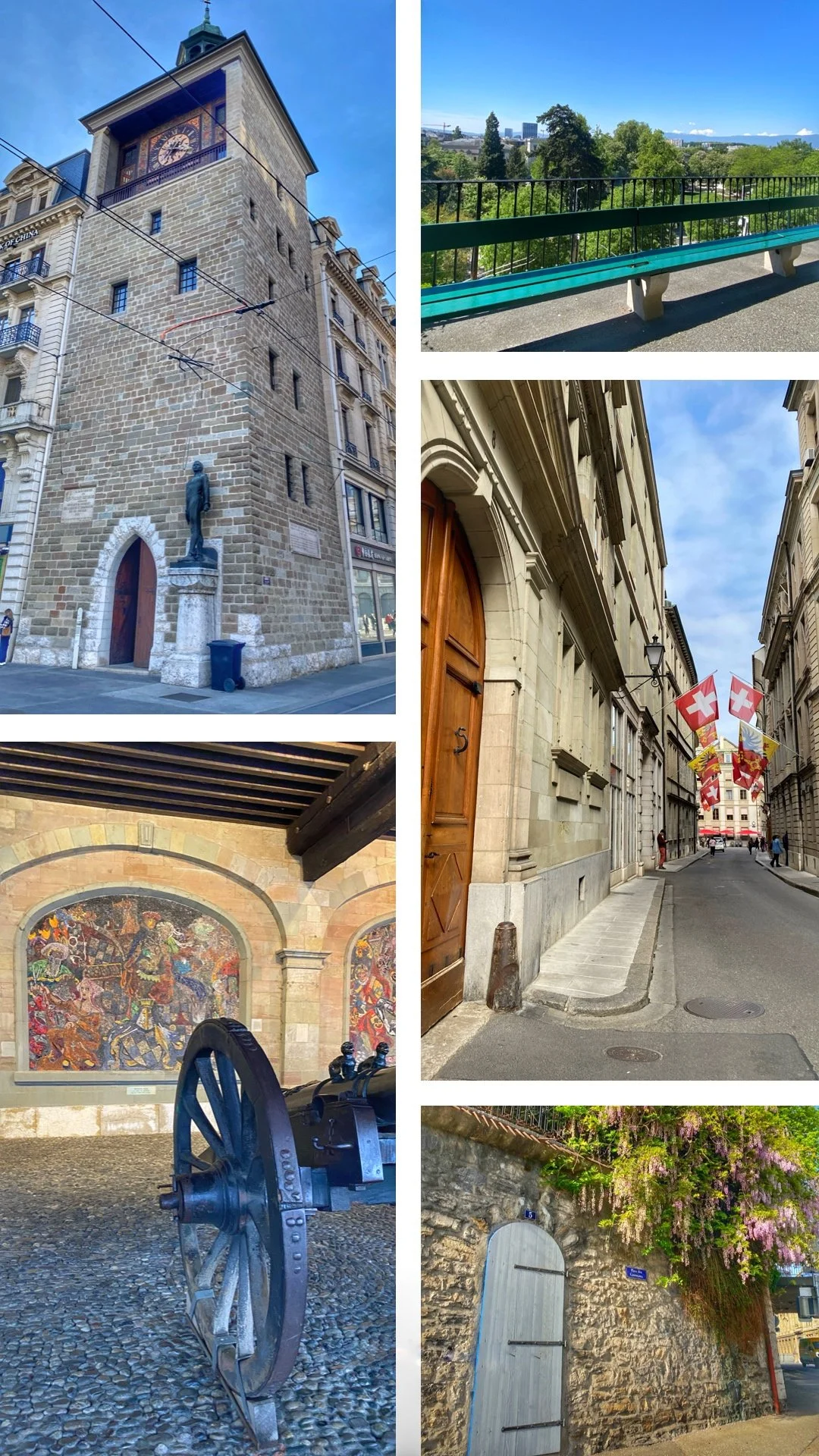
Free Walking Tour
I always recommend a “Free Walking Tour”, when visiting a new city, as it’s a great way to get an introduction to at least some neighborhoods of the city from a professional guide and get an idea of places you might want to return to and visit more in details later. Moreover, the guide always shares interesting tidbits about history and architecture.
We used this site to reserve our spots, and had a great experience. The tour was in English because the visitors came from a variety of countries.
As usual, the tour is free and tip-based, so you can leave at the end what you can/want depending on your appreciation of the tour.
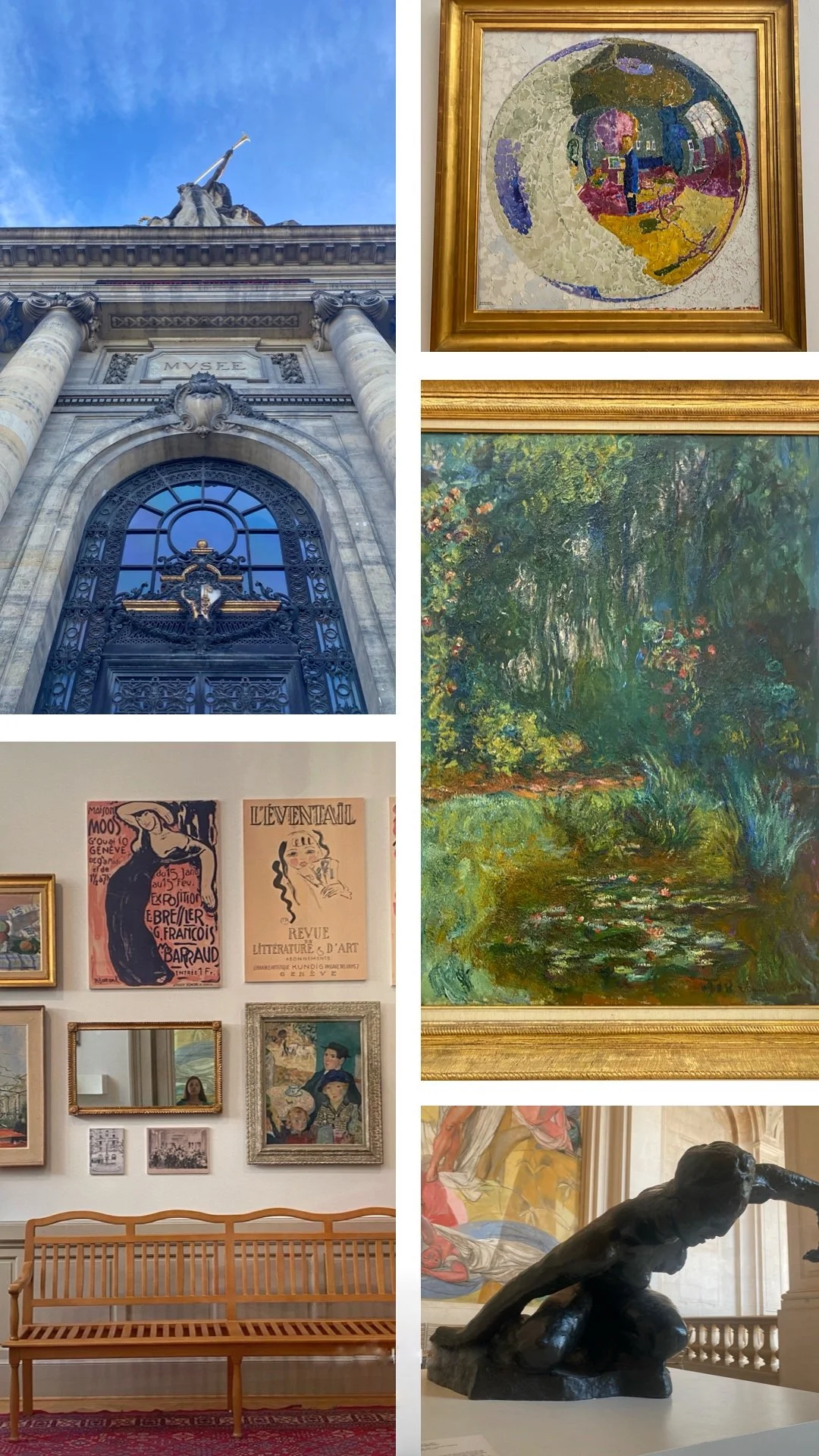
Art and History Museum
There are many museums in Geneva, and I visited the Art and History Museum (MAH) which is beautiful! The entrance door is very imposing, and the museum easy to navigate with different collections organized on different floors… grab a map in the entrance. Take your time to explore different styles and different time periods!
Some very famous artists are represented here, such as Rodin, Monet, Van Gogh, Camille Claudel, Giacometti and more.
There is no set price to visit the museum, it is left up to the visitors to decide what they want to or can give.
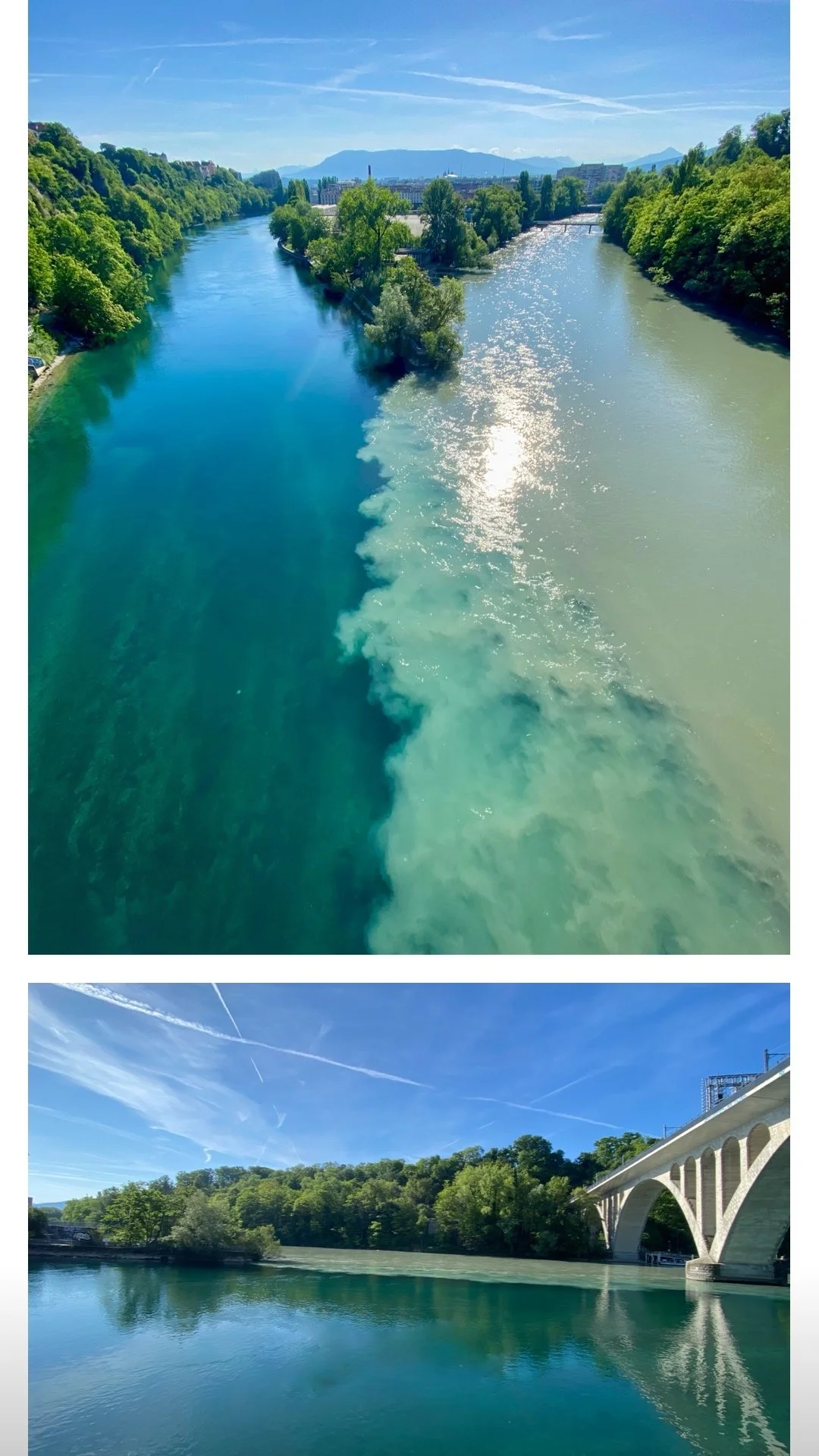
Run TO the CONFLUENCE of the Arve and the Rhône
If you are a runner, I’d suggest tracing a route that goes by the point where the Arve river meets the Rhône river: as you can see on the photo, it’s quite a spectacular sight! It seems unreal how the two waters merge, particularly because one is clea and the other not.
There are several viewpoints, and I think the most impressive view is from the bridge above (reachable through the trails in the le Bois de la Bâtie), but you can also see it from the end of the land that forms a point where the rivers meet, down below.
If you’re not a runner… take the time to go for a walk and see this phenomena. It’s not far from the city center and there are many parks, trails and paths along the rivers, it almost doesn’t feel like the city, take advantage!
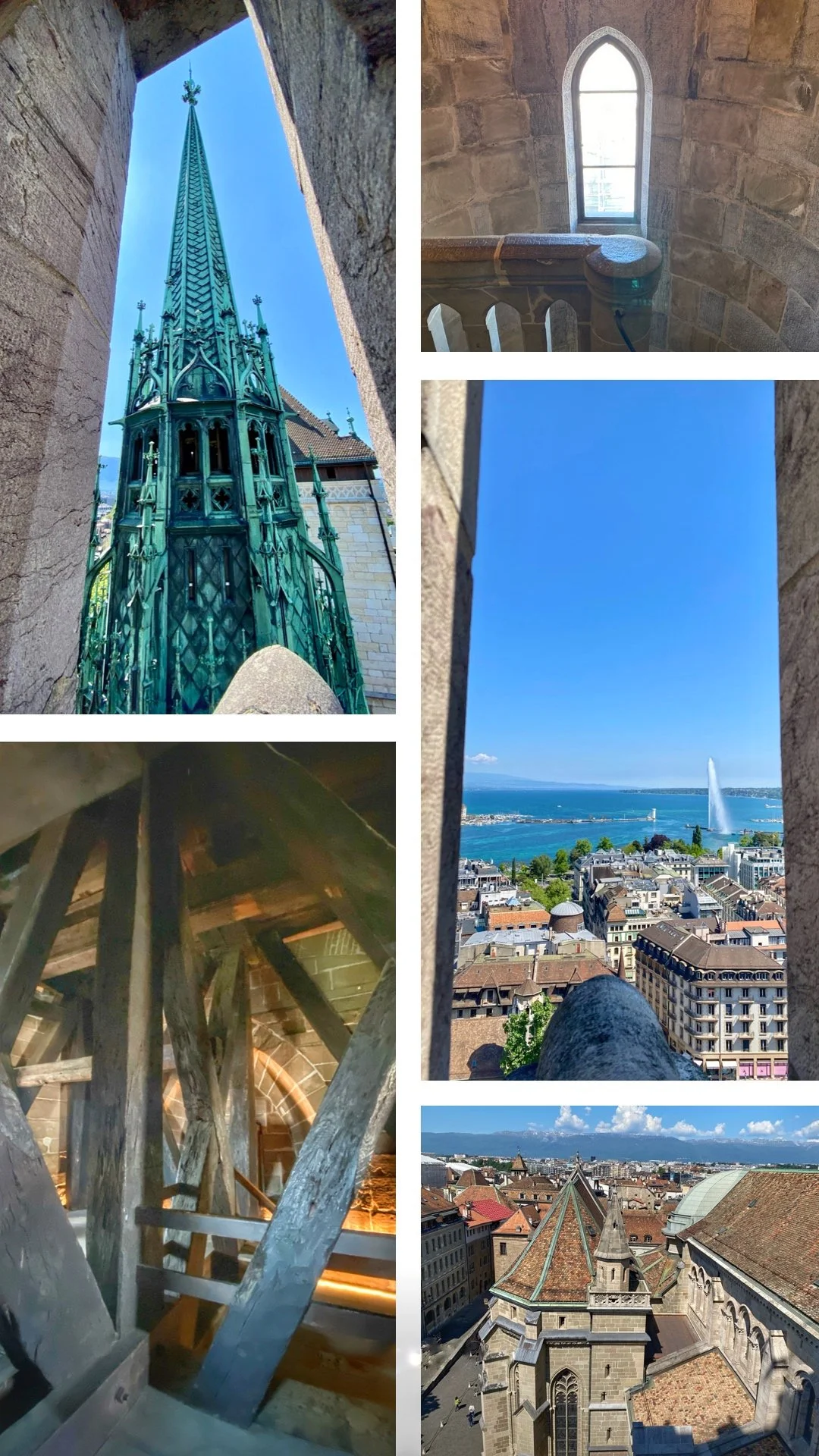
Visit the Towers of the St Peter Cathedral
It is possible to explorer both towers of the St Peter Cathedral, from where there is a magnificent view of the spire as well as the city, the Jet d’eau (fountain), the lake, the mountains around. However, beware the stairs are quite narrow.
In between the two towers, you will go trhough an impresive wooden structure, and you can see the lookout room… including the toilet!
The price of visiting the towers is reduced if you buy a combined ticket with entrance to the archeological site under the cathedral (see below).
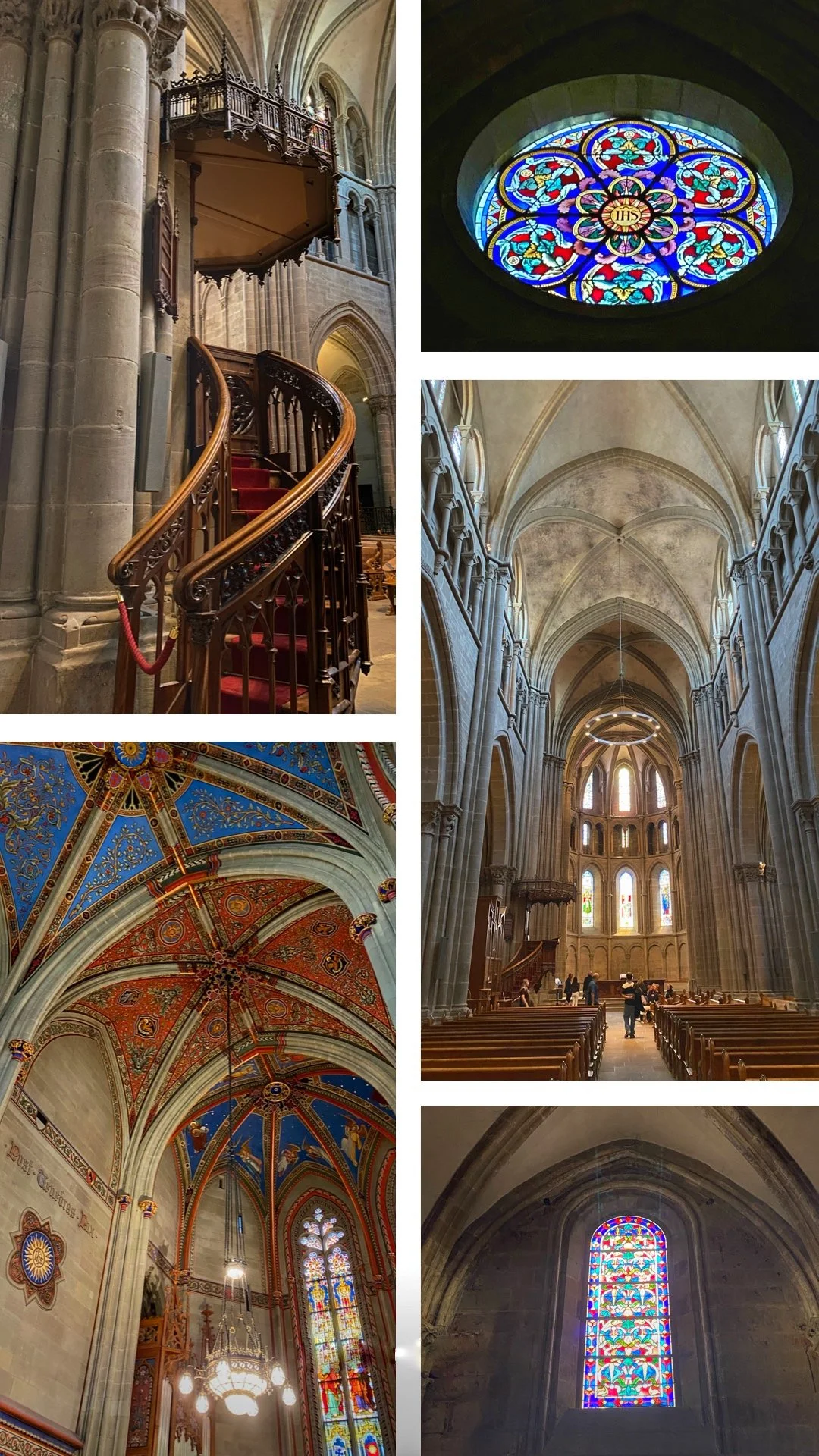
St Peter’s Cathedral
In order to access the towers mentioned above, you have to go through the cathedral, so… take your time inside! It is a fairly unusual cathedral as it is a protestant one. The pulpit is that of John Calvin, during the Reformation movement. The International Museum of the Reformation is located right next to the cathedral.
But if there’s one room not to be missed, it’s the Maccabees Chapel, with its amazingly colorful ceiling (lower left on the photo).
And after your visit, go down under the cathedral to visit the archeological site!
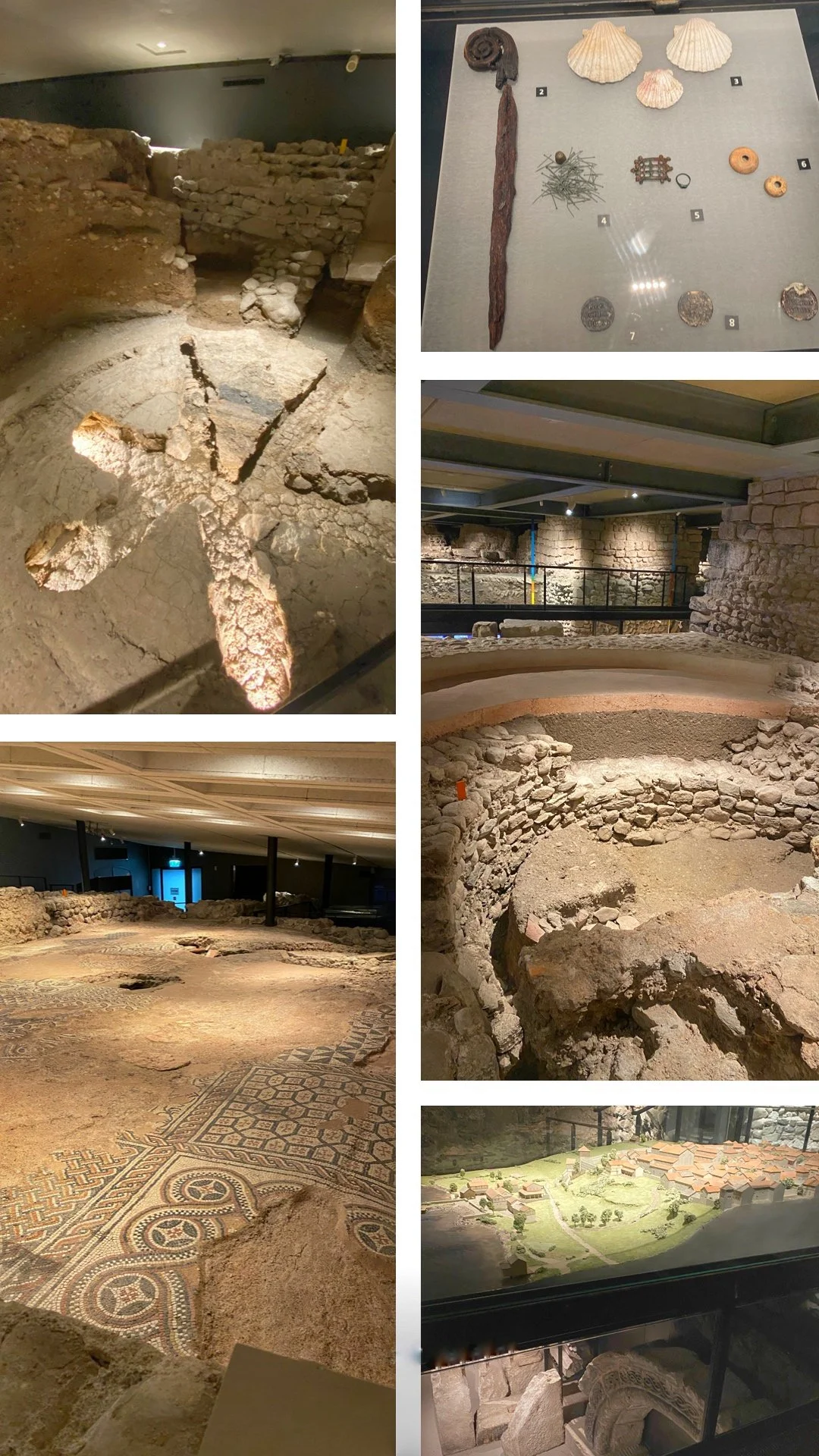
Archeological site of St Peter’s Cathedral
This archeological site/museum accessible from the outside (left of the main door of the Cathedral) is quite impressive and guides you through the centuries to discover the different layers of the construction of the cathedral… and what was there before.
There is an audioguide available at the front desk, and you can explore at your own rhythm, stopping when you see a numbered sign to listen to the audioguide.
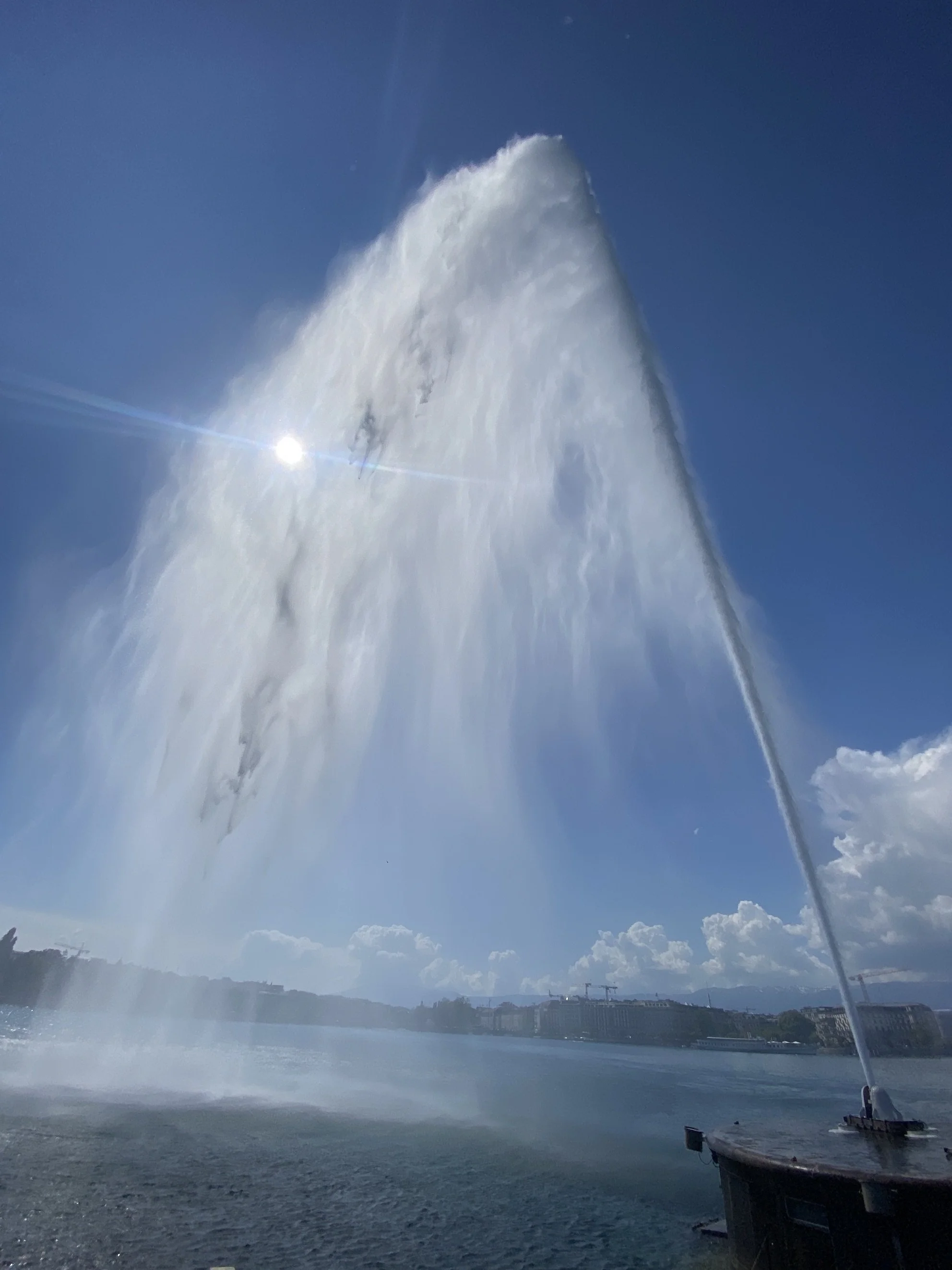
The Jet d’eau
One of the symbols of the town, the Jet d’Eau (or water jet)) is located on the Quai Gustave Ador. It is impressive from afar… and from up close! The water can reach 140 meters (or 450ft) high, which really makes you feel quite small.
It is not really a fountain, also called that sometimes in English, but actually a release valve from the hydraulic system of nearby companies. Be mindful that it is often turned off when winds are too strong.
While you go see this attraction take the time to just walk along the lake: it is very pleasant and you will find several restaurants for a meal, a refreshment, or a snack.
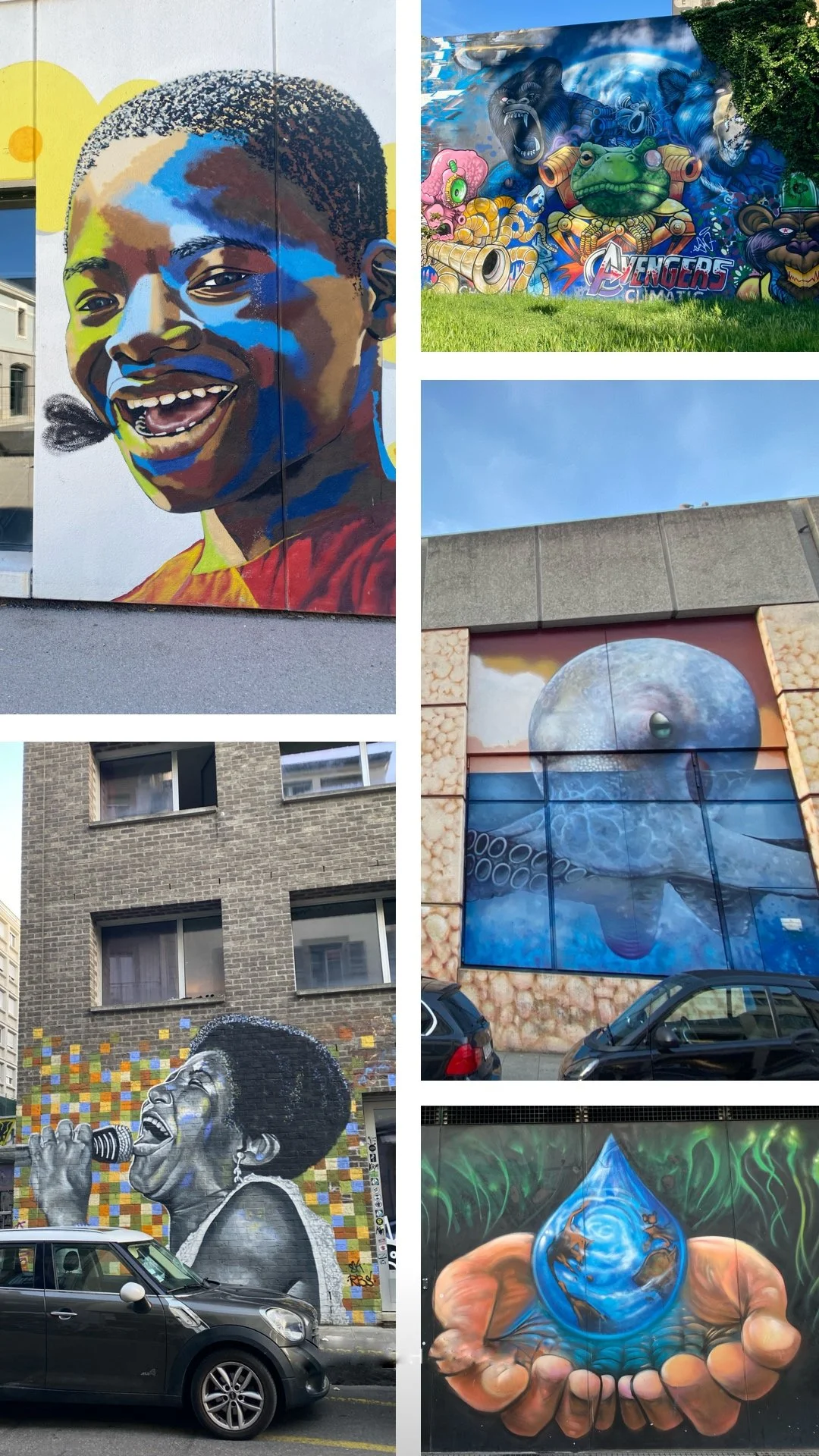
Look for Street Art
In recent years, so many cities have started having murals that is has become one of my favorite activities in many cities.
You will find many of these murals mentioned in guidebooks, especially near the ethnology museum, but my favorite way of discovering them is get lost a little in smaller streets and find out of the loop ones!!
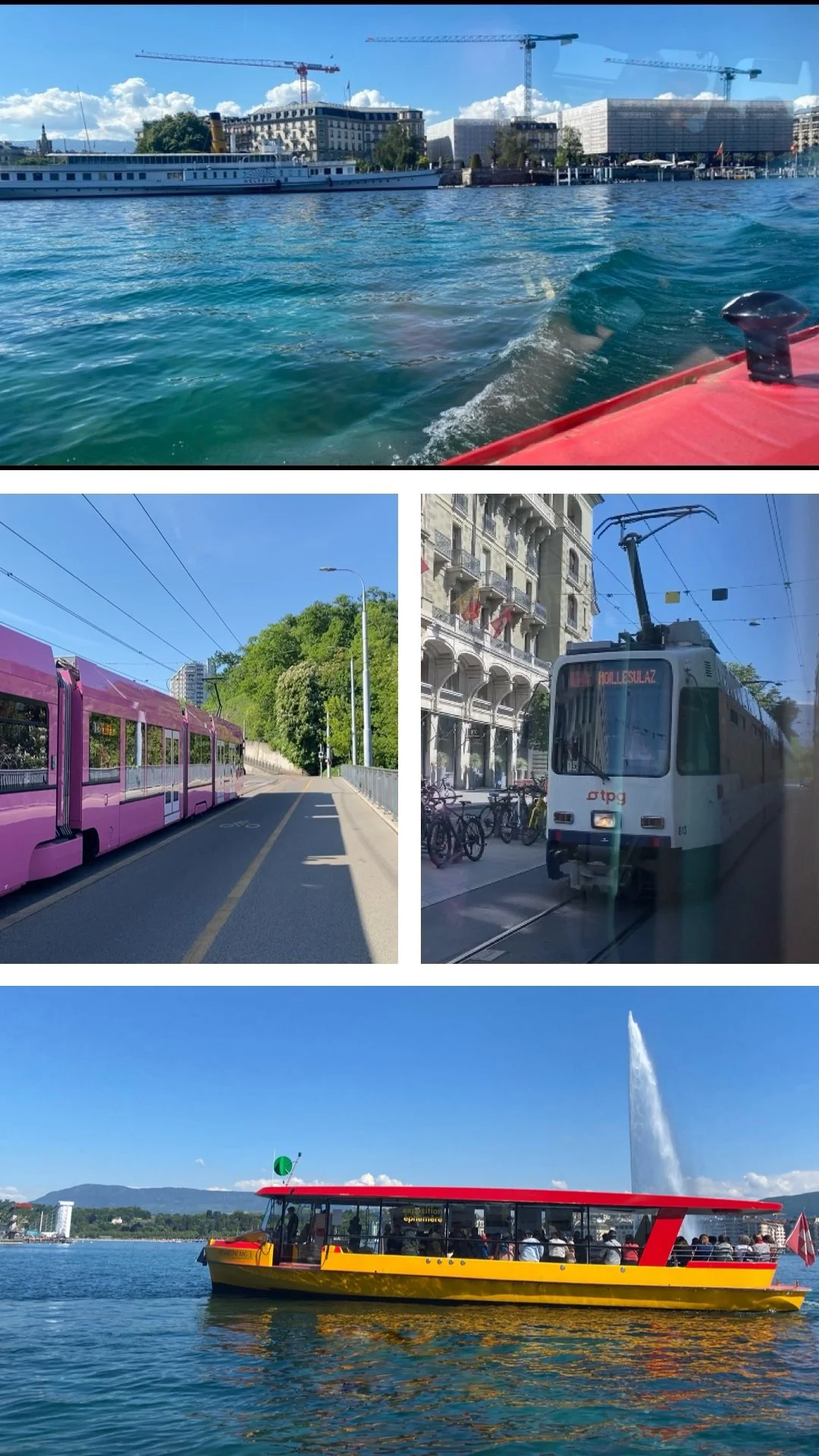
Take the bus, the tram… and the boat!
I didn’t know this before booking my room, but if you stay in a hotel, you will automatically get a free transport pass that covers the majority of the city! It includes buses, trams and even the shuttle on Lake Geneva!
This piece of information might help you choose a hotel, knowing nearby tram stops, and I really recommend taking the boat even if you don’t have anywhere specific to go to, just to be on Lake Geneva, see the city from a different perspective and enjoy the beautiful colors of the water.
For recommendations on vegan options in town, click here!